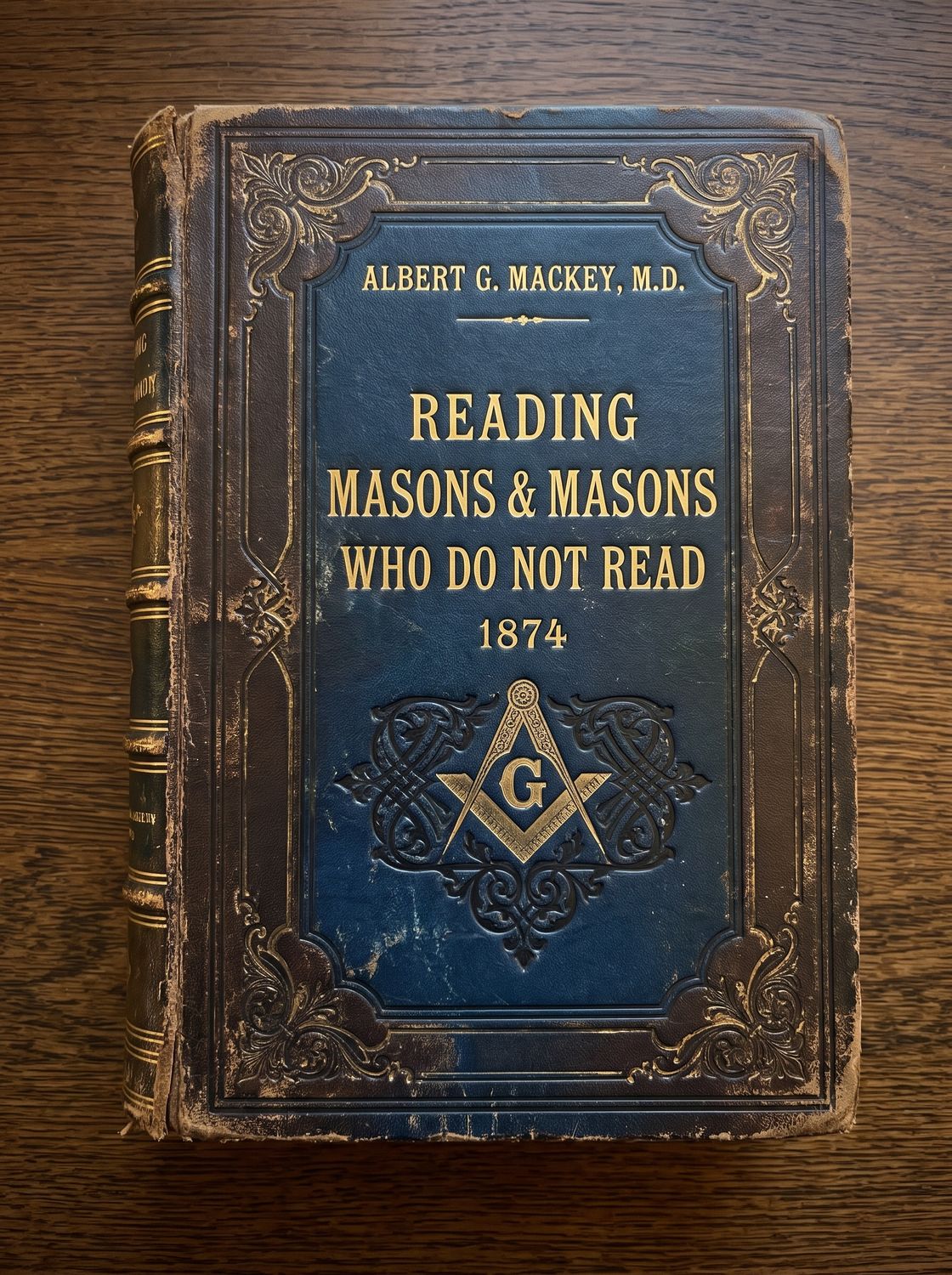
The Mackey Cinematic Series
Pay what you want
0 or more
$
Free or your own price
In stock
1
Save this product for later
The Mackey Cinematic Series
Product Details
Reading Masons and Masons Who Do Not Read (1874) by Albert G. Mackey is a critique of intellectual apathy within Freemasonry, contrasting the craft's internal ignorance with the professional dedication found among watchmakers, lawyers, and physicians. Mackey argues that Freemasonry suffers from a unique presumption: members mistakenly believe that the mere act of initiation intuitively imparts complete Masonic knowledge without the need for study or research.
Mackey divides the fraternity into three distinct classes:
- The Opportunists: Men who sought entry for selfish business advantages, political motives, or personal gain, eventually drifting away into complete indifference.
- The Reading Masons: Brethren who perceive the philosophical depth beneath the ceremonies, diligently studying Masonic history, literature, and symbolism to serve as the true intellectual lights of the Order.
- The Non-Reading Majority: Well-intentioned members who comprise the bulk of the fraternity, yet refuse to invest time or money in books or journals. Mackey notes they often exhibit an aggressive thirst for office, high degrees, and regalia—willing to spend "fifty dollars for a decoration, but not fifty cents for a book"—while remaining entirely ignorant of fundamental Masonic principles.
Ultimately, Mackey warns that this widespread anti-intellectualism harms the reputation of the Order, stifles Masonic scholarship, and risks degrading Freemasonry from a profound speculative philosophy into a superficial social club or benefit society
Display prices in:TTD
